Water Heater Repair in San Antonio, TX
Cold water, tank leaks, and failed heater parts repaired across San Antonio.
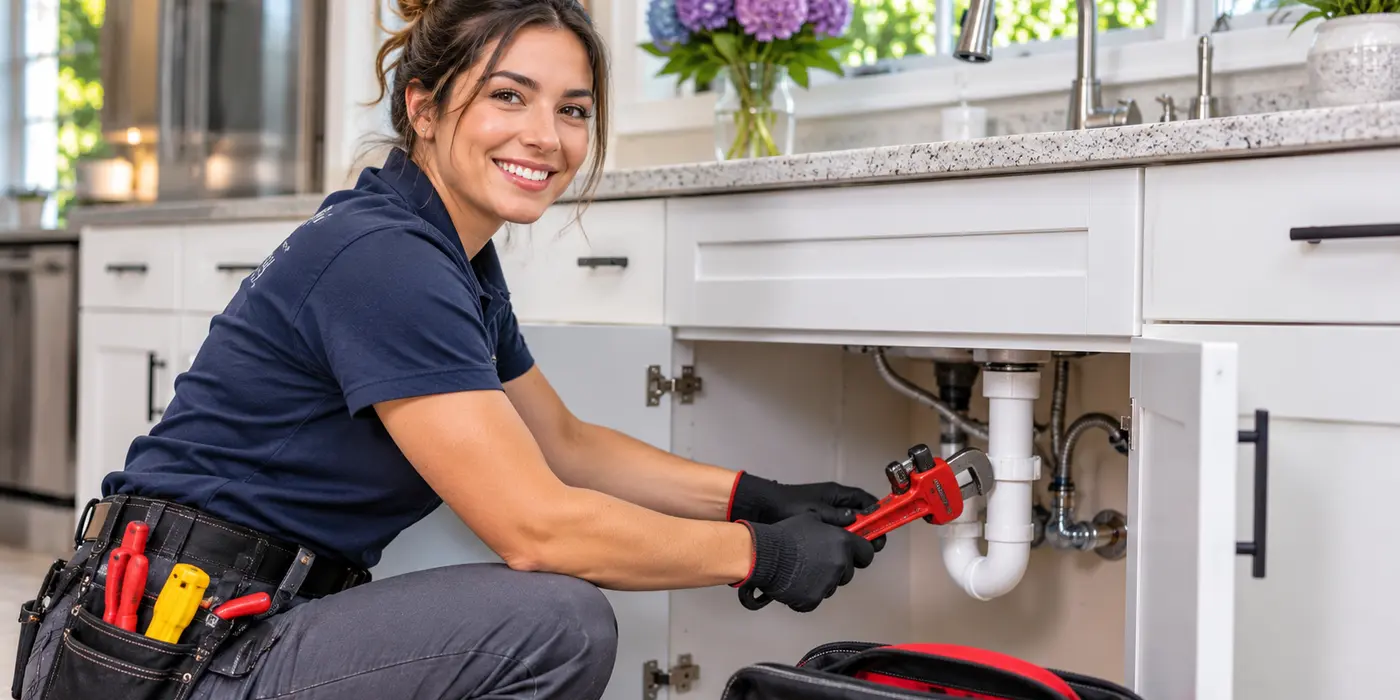
A water heater that turns cold halfway through a shower and a heater leaving water across the utility-room floor can both get called a hot-water problem. From the hallway, one usually shows up as a cold faucet or a burner that will not stay lit, while the other brings a puddle, a drip against the pan, or wet flooring. We handle both the heating fault and the water escape at the heater.
Your tank may make some warm water but run out far sooner than it used to, or it may stay cold at every tap. A gas unit can have an ignition, burner, thermostat, or venting issue, while an electric unit can have a tripped breaker, failed element, or control problem. A leak can come from a valve, pipe connection, drain fitting, or the tank body itself.
No hot water without a leak, gas smell, or electrical issue can usually wait for a planned repair visit. Water on the floor, discharge from the relief valve, a gas odor, or a hot electrical smell should not wait, because pressure, fuel, or water damage around the heater can worsen while the unit remains connected.
Cold water and puddles
We hear about a shower that goes cold after a few minutes, a kitchen faucet that never gets fully hot, rusty water from the hot side, and a clicking or popping sound near the tank. Customers also report a pilot light that will not remain on, water dripping from the pipe at the top of the heater, or a puddle beneath the drain valve. These signs point to different parts even when they all leave you without dependable hot water.
A worn heating element, sediment at the tank bottom, a faulty thermostat, and a leaking relief valve do not call for the same repair. We inspect the heater before recommending work because faults that sound alike from the bathroom or hallway can require very different parts and labor.
Tank inspection and tests
At the service call, we start with the manufacturer plate, visible pipe connections, shutoff valve, drain valve, and the floor or pan beneath the unit. We check the water temperature, incoming pressure, power or gas supply, and the controls that tell the unit to heat. On a tank heater, the temperature-and-pressure relief valve is designed to open at 150 psi or 210°F, so its discharge pipe and valve condition matter during the inspection.
A straightforward diagnosis commonly takes 30 to 60 minutes once the heater and electrical panel or gas connection are accessible. We can often replace common items such as heating elements, thermostats, thermocouples, or relief valves during the same visit when the correct part is available. A leaking tank, a specialty control, a corroded shutoff, or work requiring a replacement unit may need a return visit after the part or heater is obtained.
Tank age, shutoff, access
The age and condition of the tank affect the repair path. An accessible electric element or thermostat is generally a different job from a tank seam that has rusted through, and a gas control or tankless component may require a specific manufacturer part. The model plate, fuel type, and condition of the burner compartment or element cover help us identify that difference.
Access around the heater also changes the work involved. A unit behind finished walls, in a tight closet, or on an elevated stand takes more setup than one with clear room for tools and a drain hose. A seized water shutoff, corroded flex line, needed permit sign-off, or part that must be ordered can add steps beyond the initial repair.
Model plate and heater access
Before you call, locate the model and serial number on the manufacturer plate, usually attached to the side of the tank or inside a panel on a tankless unit. Note whether the heater is gas or electric and, if you know it, roughly when it was installed. Tell us which room has the cold water and whether the tank, relief pipe, or floor is wet now.
A clear photo of the heater, the pipe connections above it, and the space in front of it helps us plan for access and likely parts. Let us know if the shutoff valve turns and whether a closet, attic, or garage door limits the route to the unit. Call The San Antonio Plumber at (726) 200-5953, because a leaking tank can continue soaking flooring, framing, and nearby belongings while it waits.
Next: leak repair, or back to the home page.